More Than a Filling: When a Dental Crown is Necessary to Save Your Tooth
While dental fillings are a reliable solution for treating minor cavities, they aren't always sufficient when tooth damage becomes extensive. In such cases, a dental crown, a custom restoration that completely caps a damaged tooth, may be the only way to preserve function and appearance. At Hill Family Dentistry, Dr. Tristan Hill helps patients understand when a filling just won't cut it, and when a dental crown might be the best option for saving a natural tooth.
Why a Filling May Not Be Enough
Fillings work well for repairing small areas of decay, but when the structural integrity of the tooth is compromised, a filling can fall short. Attempting to restore a significantly weakened tooth with a filling could lead to further breakage, continued decay, or even tooth loss.
Knowing the limits of a filling helps avoid future complications and costly repairs. A few common signs that a filling isn’t enough include:
- A large portion of the tooth has decayed or chipped away
- Existing fillings are repeatedly failing or leaking
- The tooth has been weakened due to root canal therapy
- Persistent toothache or sensitivity despite previous treatment
In such cases, a dental crown offers full coverage and vital reinforcement that fillings simply can’t provide.
What Is a Dental Crown and How Does It Help?
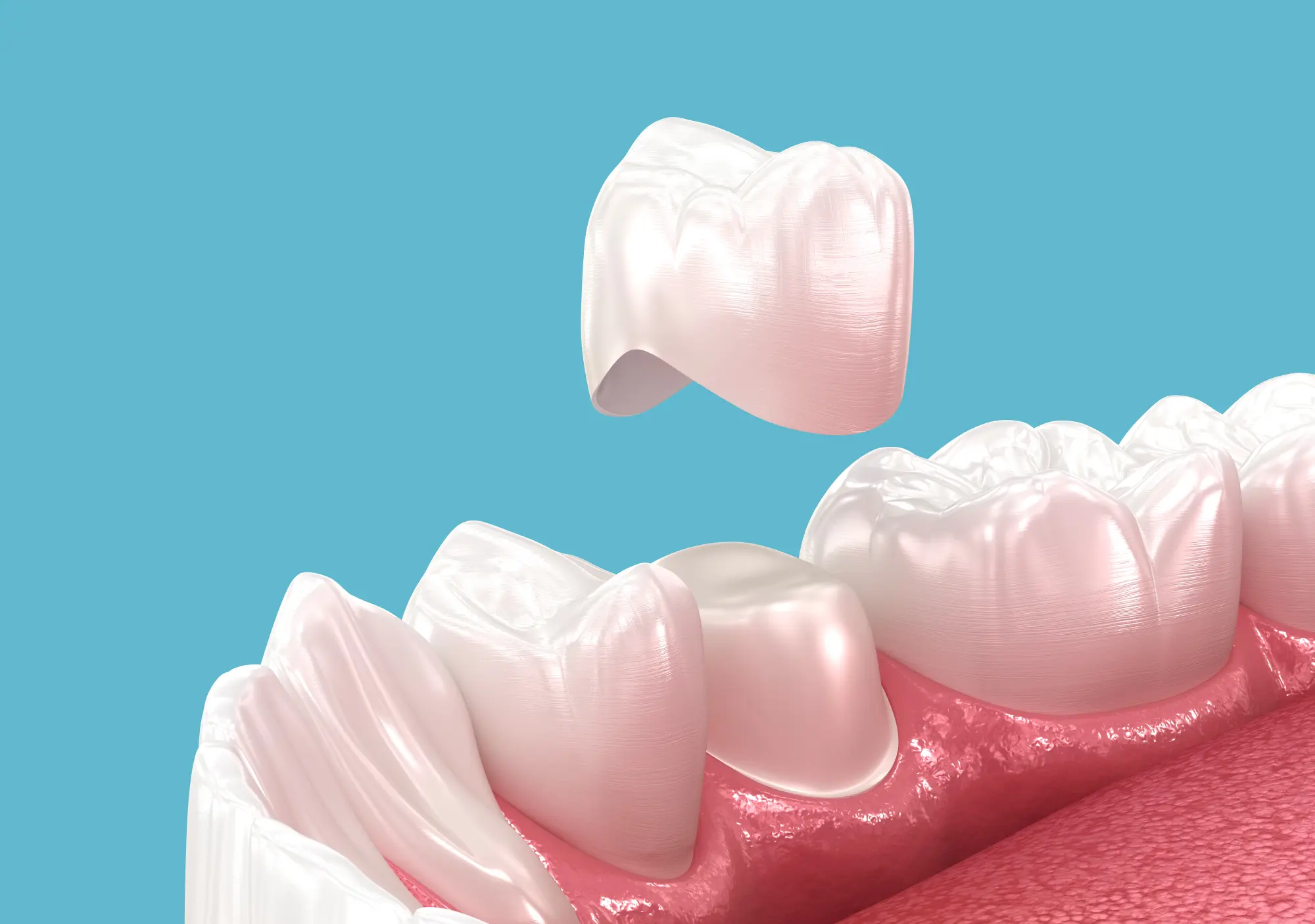
A dental crown is a custom-made cap that fits over a damaged tooth, restoring both functionality and appearance. Unlike a filling, which is limited to reinforcing a small section, a crown encases the entire tooth above the gum line.
This makes crowns an ideal solution for teeth that are too damaged to support a filling alone but still have a healthy root structure. The benefits of choosing a dental crown include:
- Protection from further decay or breakage
- Restoration of chewing strength and bite alignment
- Aesthetic improvement with natural-looking materials
- Long-lasting durability with proper care
Common Situations That Require a Dental Crown
There are several specific scenarios where Dr. Tristan Hill may recommend a dental crown instead of a filling. Choosing the appropriate treatment early can prevent more invasive procedures down the line. Situations that typically necessitate a crown include:
- After root canal treatment, where the tooth becomes brittle
- To anchor a dental bridge and replace a missing tooth
- When reshaping or masking severe discoloration or misshapen teeth
- Severely worn down teeth from grinding (bruxism)
Each case is unique, and Dr. Hill carefully evaluates each patient at Hill Family Dentistry to determine the treatment that will best preserve their oral health.
How the Dental Crown Process Works
Getting a dental crown typically involves two appointments at our Bartlett dental office. During the first visit, Dr. Hill will prepare the tooth by removing damaged areas and shaping it for a proper crown fit. Precision impressions are taken and sent to a dental lab for custom fabrication. A temporary crown may be placed to protect your tooth in the meantime.
At your second appointment, your permanent crown will be checked for proper fit and cemented securely in place. With good dental hygiene and regular checkups, dental crowns can last anywhere from 10 to 15 years or longer.
Restore Your Smile with a Dental Crown in Bartlett
If you're experiencing ongoing tooth pain, large areas of decay, or broken fillings, a dental crown may be the solution to restore strength and function. Dr. Tristan Hill and the team at Hill Family Dentistry are here to guide you through every step of the process. Call (901) 377-3025 today to schedule your evaluation and take the next step toward a healthier, stronger smile in Bartlett.
Related Posts
Are Dental Sealants Effective for Adults or Just Children?
Dental Crowns & Bridges: Precision Ferrule Architecture to Protect Vulnerable Enamel Margins

Why Do I Get Cavities So Easily Even Though I Brush and Floss Daily?