Bridge or Implant? Choosing the Best Permanent Solution for Your Missing Tooth
Missing a tooth can impact more than your smile. It can affect your confidence, your ability to eat comfortably, and even the long-term health of your jaw and surrounding teeth. If you’ve been weighing your treatment options, you might be asking yourself: “Should I get a dental bridge or an implant?”
This is a common concern among patients who want the most effective and lasting solution for tooth loss. The right choice depends on your individual situation, but understanding the differences can help you make an informed decision that benefits your oral health for years to come.
What Is a Dental Bridge?
A dental bridge is a custom-made restoration that literally "bridges the gap" created by one or more missing teeth. It typically consists of one or more prosthetic teeth anchored in place by dental crowns cemented onto adjacent natural teeth.
Benefits of a Dental Bridge
- Quick restoration, usually completed in two visits
- Covers aesthetic and functional needs
- Less invasive than surgery
- Cost-effective in the short term
Bridges are a popular choice for individuals who want a fast, fixed solution, especially when missing multiple teeth in a row.
What Are Dental Implants?
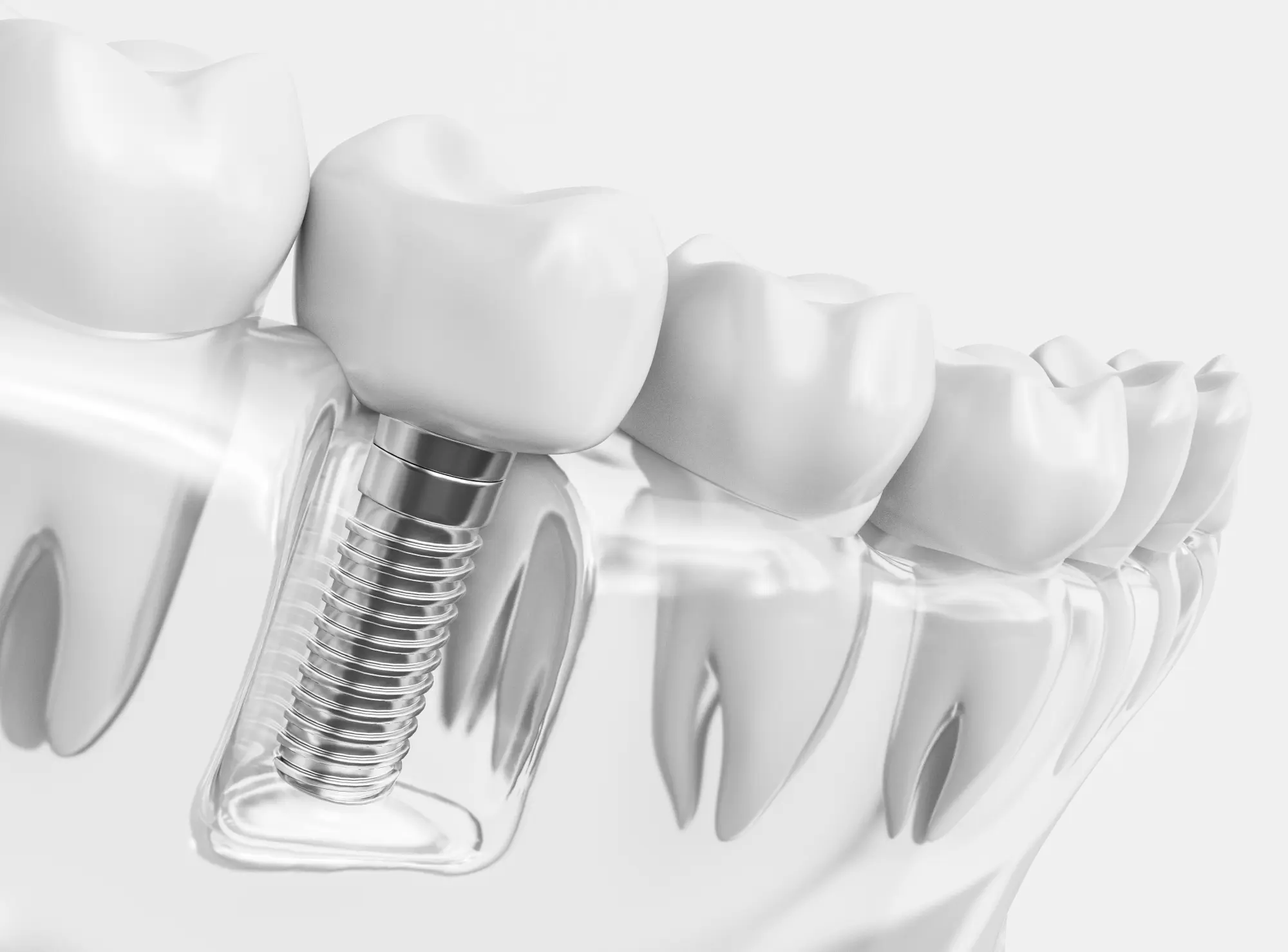
A dental implant is a titanium post that is surgically placed into the jawbone, acting as an artificial tooth root. A custom crown is then attached to the top, offering a strong, natural-looking replacement for a lost tooth.
Advantages of Dental Implants
- Preserves bone structure and facial shape
- Does not rely on neighboring teeth for support
- Feels and functions like a natural tooth
- Long-lasting, often lasting decades or up to a lifetime with proper care
Implants are widely regarded as the “gold standard” for tooth replacement due to their durability and impact on long-term oral health. According to the American Academy of Implant Dentistry, over 3 million Americans have dental implants, with the number growing by 500,000 each year.
Which Option Is Right for You?
Choosing between a bridge and an implant depends on several key factors. While both options aim to restore your smile and function, they differ in terms of maintenance, longevity, cost, and impact on surrounding teeth and bone.
Consider These Questions:
- How many teeth are missing?
- Are the adjacent teeth healthy?
- Is your jawbone strong enough for an implant?
- Do you have any chronic conditions that could affect healing (e.g., diabetes, smoking)?
- What is your budget and timeline?
Dr. Tristan Hill at Hill Family Dentistry in Bartlett, TN, takes the time to assess your unique dental structure and health history to help guide your decision. His conservative yet results-driven approach offers patients a plan that fits both their lifestyle and long-term oral health goals.
The Procedure: What to Expect
Dental Bridge Process
- Initial consultation and preparation of adjacent teeth
- Impressions sent to a dental lab
- Temporary bridge placed (if needed)
- Permanent bridge placed and adjusted
This process typically takes about 2-3 weeks from start to finish.
Dental Implant Process
- Comprehensive consultation and imaging
- Placement of the implant post (surgical procedure)
- Healing period of 3-6 months to allow bone integration
- Placement of abutment and final crown
While the dental implant process takes longer, the results are often worth the wait for many patients who want the most permanent and natural-feeling solution possible.
FAQs About Bridges and Implants
Which lasts longer, a dental bridge or dental implant?
Implants often last 30+ years or even a lifetime with proper care, while bridges typically need replacement after 10-15 years.
Are implants safe?
Yes. Dental implants have a success rate of over 95%, according to studies by the American Association of Oral and Maxillofacial Surgeons.
Will I experience pain during the procedures?
Both dental bridges and implants are performed under local anesthesia. Any minor discomfort afterward is usually manageable with over-the-counter medication and proper post-operative care.
What about costs?
Dental bridges typically cost less upfront, making them attractive in the short term. However, dental implants may offer greater long-term value due to their durability and minimal maintenance.
What Makes Hill Family Dentistry the Right Choice?
At Hill Family Dentistry, patients receive more than just dental care. They experience intentional treatment built on trust, comfort, and clinical excellence. Dr. Tristan Hill brings years of experience restoring smiles with both dental bridges and implants. His commitment to advanced techniques and patient-first care ensures each treatment plan is fully tailored to your needs.
From your very first call to the last adjustment, our team focuses on making your journey smooth and anxiety-free. With convenient scheduling and a trusted reputation in Bartlett and surrounding areas, Hill Family Dentistry is where long-term smiles begin.
Make the Right Choice for Your Smile
When it comes to restoring your missing tooth, both bridges and implants offer effective solutions. The key lies in choosing the right one for your particular oral health, lifestyle, and long-term goals. Whether you're looking for the stability of an implant or the speed of a dental bridge, the first step is a personalized consultation.
Contact Hill Family Dentistry in Bartlett, TN at (901) 377-3025 to schedule your appointment with Dr. Tristan Hill. We’re here to guide you confidently toward a smile that feels natural, functions beautifully, and lasts.
Related Posts
Are Dental Sealants Effective for Adults or Just Children?
Dental Crowns & Bridges: Precision Ferrule Architecture to Protect Vulnerable Enamel Margins

Why Do I Get Cavities So Easily Even Though I Brush and Floss Daily?